Written by Boroondara Osteopathy
A well-known clinic in Melbourne’s eastern suburbs founded by Dr Katie Willy (Osteopath)
A well-known clinic in Melbourne’s eastern suburbs founded by Dr Katie Willy (Osteopath)
Craniosacral therapy s a type of bodywork that aims to relieve compression in the bones of the head, sacrum and spinal column.
Craniosacral therapy is non-invasive. It uses light touch, gentle pressure on the head, neck, and back to relieve the stress and pain caused by imbalance. As a result, it can be used to treat a number of conditions such as direct skull or pelvic trauma.
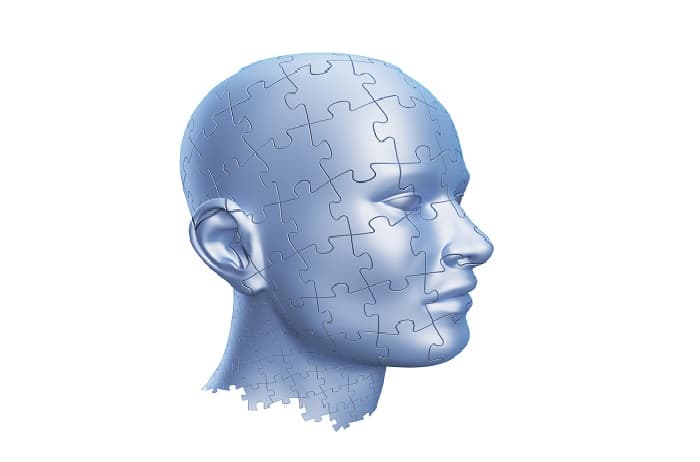
By gently manipulating the bones in the skull, spine, and pelvis, the goal is to restore balance to the subtle mobility available in the skull and how this integrates from the neck to the pelvis.
The most common complaint we treat for exploring craniosacral therapy are headaches & migraines, as well as TMJ issues. We can normally link symptoms back to an past injury or trauma.
Some of our most common findings in histories include:
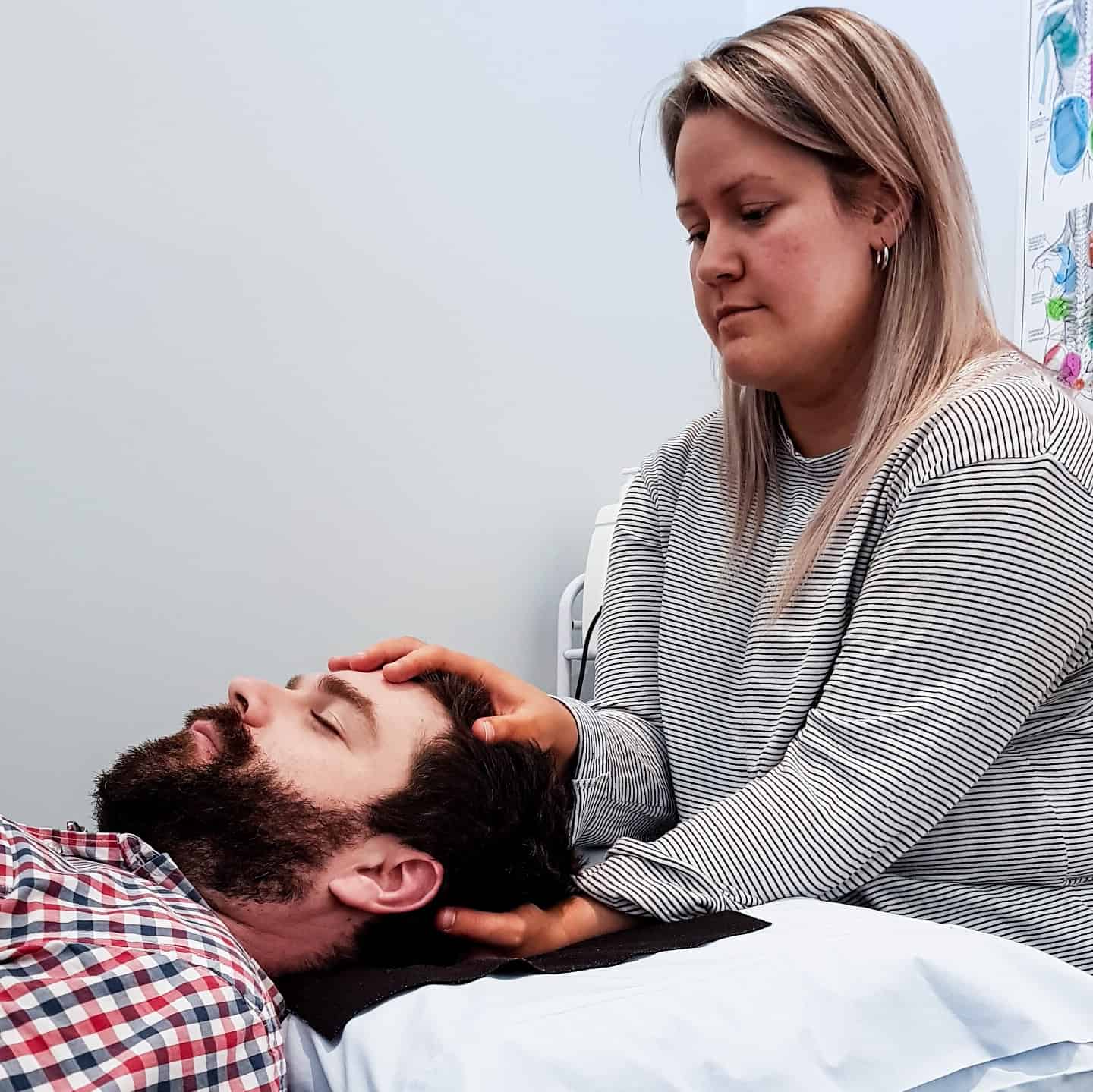
We view the cranium as an extension of the joints that flow on to the rest of the body, all working together. This helps us think with a holistic and whole-body approach and apply CST to our musculo-skeletal craft. The sutures in the head can be sprained and strained just like any other joint in the body and are often forgotten as a potential source of problem.
Our clinic offers three Osteopaths who have completed extra study in CST. All experienced osteopaths who have a deep understanding of the connections and adaptive patterns of the body due to injury and trauma, both emotional and physical.
We offer exclusive 45 minute sessions for CSTbut our osteopaths also will do some craniosacral techniques if indicated in a “regular” osteopathic treatment.
https://www.ncbi.nlm.nih.gov/books/NBK67710/