


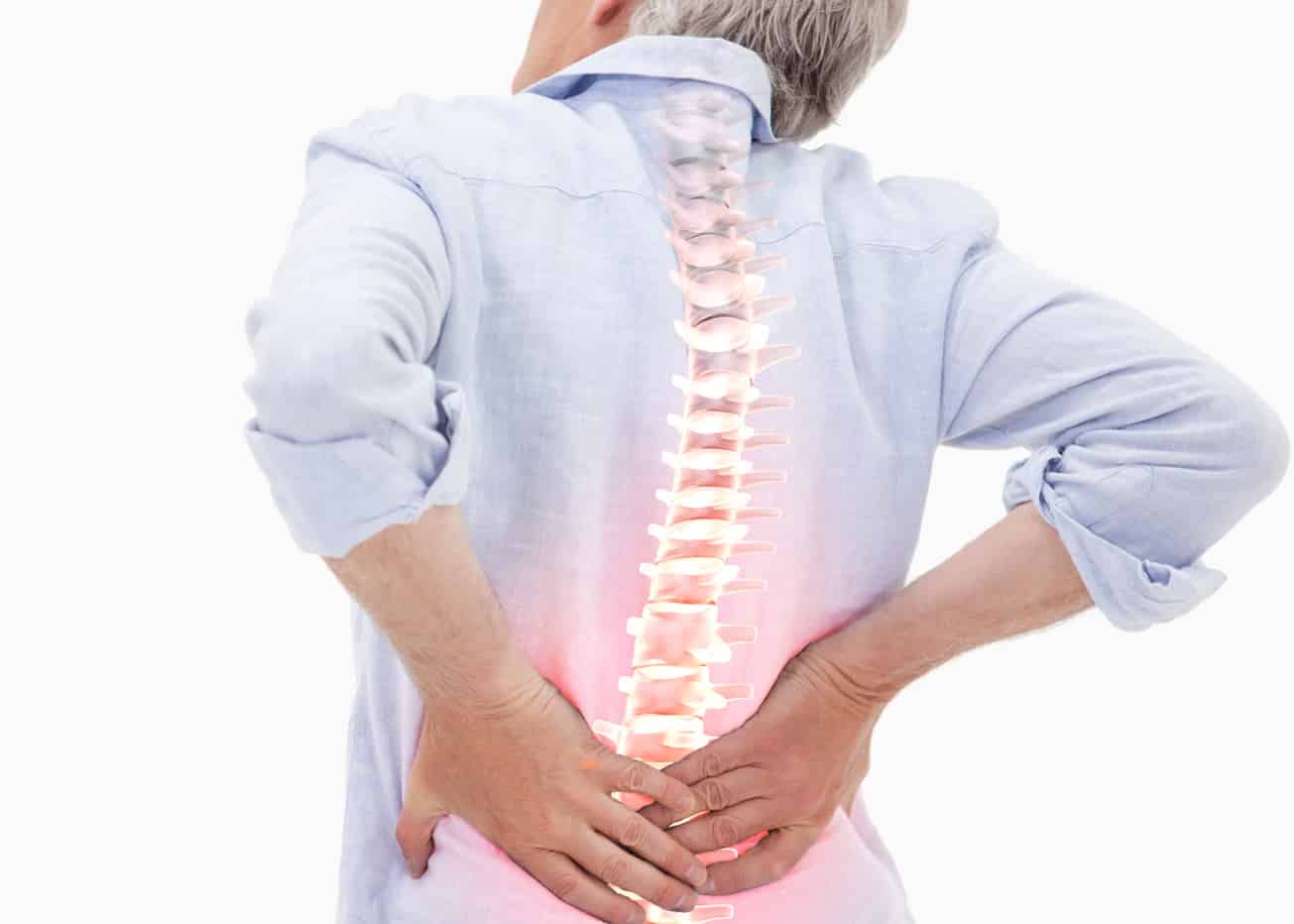

How often do you find yourself seeing practitioners for the same pain, in the same spot, having the same experience?
Maybe it started as knee pain. Then over time it spread.
Now it might include:
The foot
The lower back
The hip
Even the backside or glute
You might have tried a lot of things already.
Massage.
Physio.
Pilates.
Stretching programs.
Strength exercises.
Sometimes the pain improves for a while. But as soon as you stop your routine, it slowly creeps back.
So you start again.
You stretch this muscle.
You activate that one.
You roll on the foam roller.
You attack it with the spiky ball.
And yet it often feels like nothing is ever quite enough.
You have to keep doing the routine forever just to keep the pain under control.
At some point many people quietly ask themselves a difficult question.
Is this just the way my body is now?
Recurring pain can be incredibly frustrating.
You do all the right things. You follow the advice. You commit to the exercises. Yet the same discomfort keeps returning months or even years later.
For many people the cycle looks something like this:
Pain develops.
You seek treatment.
Symptoms improve.
Life gets busy and the routine stops.
The pain gradually returns.
The common assumption is that the body simply needs more strengthening, stretching, or maintenance.
Sometimes that is helpful.
But sometimes the real issue has not actually been addressed yet.
The body may still be moving in a way that creates the same stress patterns, so the symptoms eventually return.
What if the potential answer to your ongoing pain could be seen in something much simpler?
The way you stand, walk, and move every day.
Movement patterns often reveal where joints are:
Stiff
Blocked
Not contributing the way they should
When certain joints stop moving properly, other areas of the body must compensate. Over time those compensations can build tension and irritation in tissues that were never designed to handle that workload.
If the underlying movement pattern does not change, the body may keep returning to the same painful experience.
But when the stiff or restricted areas start moving again, the rest of the body often responds by redistributing load more evenly.
Sometimes that shift alone can reduce the symptoms people have been managing for years.
Another common story we hear is this.
Someone has felt slightly out of balance or “out of whack” for a very long time.
Maybe one shoulder always feels tighter than the other.
Maybe one hip feels heavier when standing.
Maybe one leg feels different when walking.
Over time, many people simply accept this as normal.
They explain it away with things like:
Carrying heavy schoolbags as a child
Shoulder bags or handbags
Poor posture
Their occupation
Genetics
Sometimes they have even been told directly:
“That’s just how your body is.”
“You’ll have to learn to live with it.”
It is understandable that people begin to believe this.
But that is not always the full story.
At Boroondara Osteopathy, one of the most important parts of understanding pain is exploring your history.
Not just the obvious injuries.
We are interested in the smaller events that may have changed how your body moves over time, such as:
Old ankle sprains
Stubbed toes
Childhood injuries
Sporting demands
Previous surgeries
Repetitive activities over many years
These events can subtly change the way joints move and how the body distributes load.
The interesting thing is that the body is very good at adapting.
Sometimes a joint becomes slightly restricted, and another area of the body quietly takes on the extra work.
This adaptation can go on for years without pain.
Until eventually the system reaches its limit.
The body operates as a connected tension system.
If one area becomes tighter or more compressed, another area often becomes stretched or overloaded to compensate.
You can think of it like a push-pull relationship.
If tension increases in one region, the body must redistribute forces somewhere else to maintain balance.
For example:
Compression on one side of the spine may lead to stretching on the other
A stiff foot may increase movement demands on the knee
A restricted hip may push workload into the lower back
These tension patterns build gradually over time.
Eventually the tissues that are being overworked start to protest.
That protest is what we feel as pain.
One of the most fascinating drivers of these adaptations comes from the brain.
Your brain has a strong priority when it comes to movement.
It wants to keep your eyes level with the horizon.
If your eyes tilt too far to one side, it becomes very difficult to move through the world comfortably. Balance, coordination, and navigation all depend on a stable visual field.
So the body constantly makes small adjustments to keep your eyes level.
If there is an imbalance somewhere in the body, the brain will compensate by adjusting other joints and muscles.
It might:
Rotate the pelvis
Shift the ribcage
Tilt the shoulders
Alter the way the feet contact the ground
These adjustments allow you to keep functioning, walking, and moving through life.
But over time those adjustments can become larger and larger compensations.
Eventually the system is pushed too far.
That is when symptoms start to appear.
When someone experiences pain in their knee, back, or shoulder, it is natural to assume the problem began in that exact location.
But in many cases, the painful area is simply the place that ran out of tolerance first.
The original movement restriction may have started somewhere else in the body entirely.
For example:
A foot that stopped adapting well to the ground
A hip that gradually lost rotation
An old ankle injury that changed the way you load your leg
Over time, those changes can ripple through the body’s movement patterns.
Eventually a different structure becomes overloaded and painful.
The pain is absolutely real.
But the starting point of the problem may be somewhere else.
When pain keeps returning despite treatment, it can be helpful to step back and ask a bigger question.
When did the body first begin adapting in a way that created this chain reaction?
Sometimes the answer lies in an old injury that seemed insignificant at the time.
Sometimes it lies in years of repetitive movement that slowly changed how the body distributes load.
By exploring these patterns and helping restricted areas move again, we often see the body reorganise itself in surprising ways.
If you have been dealing with pain that keeps returning despite doing all the right things, it may be worth looking at how your body moves as a whole system.
Understanding the movement patterns behind your symptoms can often reveal why the same pain keeps showing up.
If you would like to explore this further, you can contact reception on 9859 5059 or book an Anatomy in Motion (AiM) assessment to take a deeper look at how your body is moving.
Fill in the contact form below and we will reply ASAP.