
Open Mon-Sat · (03) 9859 5059 · BOOK online OR call Reception

What is engorgement?

A study in Britain found that engorgement and painful breasts are one of the most common reasons women stop breastfeeding in the first few weeks after birth. When your breasts suddenly feel hard, swollen and incredibly tender, it can feel alarming, especially when you are already exhausted and figuring out life with a new baby.

But here is the important thing to know. Engorgement is extremely common, particularly in the early days of breastfeeding. While it can feel intense, it is something that can absolutely be managed with the right approach.

Understanding what is actually happening inside your breasts is the first step toward relieving the pressure and getting comfortable again.

Why engorgement happens

In the first week or so after your baby arrives, your body is doing something pretty extraordinary.

Your breasts suddenly shift from producing small amounts of colostrum to producing larger volumes of milk. To support this change, the body increases blood supply to the breast tissue, delivering nutrients and oxygen to fuel milk production.

At the same time, several other things are happening:

  • Milk production increases

  • Blood flow to the breast increases

  • Lymphatic fluid (a clear fluid that helps manage swelling and waste) increases

  • Breast tissue becomes more metabolically active

In simple terms, there is suddenly a lot more fluid moving into the breast.

Milk is only one part of the picture. A large portion of the swelling women feel during engorgement actually comes from extra blood flow and lymphatic fluid, not just milk alone.

All of this fluid is moving into a relatively small space, the breast tissue, which can create significant pressure.

For some women, that pressure builds inside and around the milk ducts and glandular tissue. When the pressure becomes too high, fluid can move into surrounding tissues where it normally would not sit.

That is when the breasts can start to feel:

  • Hard

  • Swollen

  • Tight

  • Lumpy

  • Very tender

Some women describe their breasts as feeling like overfilled balloons.

What engorgement can feel like

Every woman experiences engorgement slightly differently, but common symptoms include:

  • Breasts feeling very full or tight

  • Skin that looks shiny or stretched

  • Warm or hot breasts

  • Firm or lumpy areas

  • Difficulty for baby to latch because the breast is so swollen

  • General discomfort or throbbing

It can sometimes feel dramatic. Your breasts may suddenly seem much larger and extremely sensitive to touch.

For some mothers this can be worrying, especially when the breasts feel warm or look slightly red.

Which brings us to one of the most common questions we hear.

“This feels like mastitis. Do I need antibiotics?”

Short answer, no.

Engorgement and mastitis can sometimes look similar on the surface, but they are not the same thing.

When your breasts are engorged, the symptoms are caused by fluid pressure and swelling, not infection.

There are no bacteria causing the problem, which means antibiotics will not help.

This is an important distinction because many women are prescribed antibiotics unnecessarily when the real issue is fluid congestion in the breast tissue.

Instead of trying to fight something that is not there, the goal with engorgement is to reduce the pressure and help fluid move out of the breast tissue more effectively.

Once the pressure drops, the breast can soften and feeding becomes much more comfortable again.

How we treat engorgement

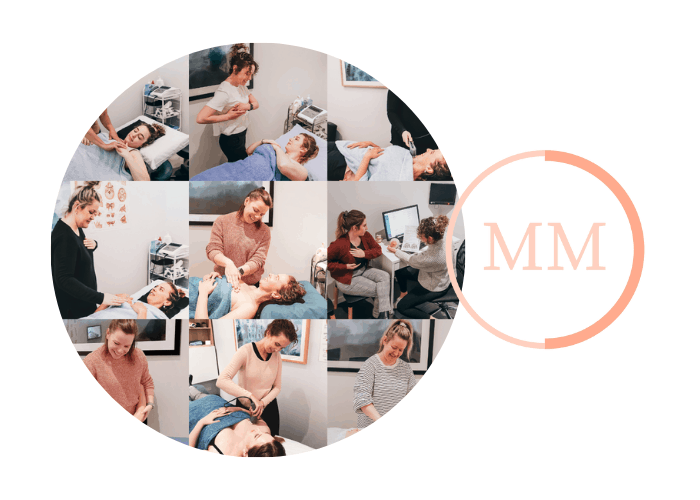
When we treat engorgement in the clinic, our focus is simple. Help the breast move fluid again.

Remember, the problem is not just milk. It is the combination of milk, blood flow and lymphatic fluid all crowding into the breast tissue at once.

To relieve engorgement, we need to help the body drain some of that excess fluid so the pressure inside the breast reduces.

Our approach combines a few key strategies.

Therapeutic ultrasound

Ultrasound therapy can help calm irritated breast tissue and support fluid movement within the breast. It is gentle, targeted and commonly used in musculoskeletal care to support tissue recovery.

Skilled breast massage

Hands on techniques can help encourage lymphatic and tissue fluid to move away from congested areas. When done correctly, this can significantly reduce the feeling of tightness and pressure.

Together, these approaches help the breast decompress, allowing the tissue to soften and making it easier for your baby to latch and feed comfortably.

What you can do at home

The good news is that there are also simple things you can do at home to support your body while engorgement settles.

Over the years, we have worked with many breastfeeding mothers experiencing engorgement. One of the most empowering things we can do is teach women how to help their own body move fluid more easily.

Small changes in how you manage the breast can make a big difference in:

  • Reducing swelling

  • Improving comfort

  • Helping baby latch more easily

  • Preventing further breast inflammation

We share practical strategies that mothers can use immediately so they do not feel stuck or helpless when their breasts feel painfully full.

Because when your breasts feel like blow up balloons, you do not want complicated instructions. You want clear, simple steps that actually work.

Support makes all the difference

Breastfeeding challenges can feel overwhelming, especially in the early weeks when you are tired, emotional and learning a completely new rhythm with your baby.

Painful breasts can quickly turn what should be a bonding experience into something stressful.

That is why our goal is always the same. Reduce the pain, calm the breast tissue and give you a clear plan moving forward.

For more than six years, we have been helping mothers understand what is happening inside their breasts and how to support their body through these early breastfeeding challenges.

When women understand why engorgement happens and what actually helps, everything becomes much less frightening.

Because the truth is, you do not have to simply wait it out.

With the right guidance and support, you can relieve the pressure, protect your breast health and get back to feeding your baby comfortably.

Our clinic is in Melbourne Australia where we treat women experiencing engorged breasts. You can book in via the button below or call 9859 5059.

However, if you are elsewhere in the world we have our online strategies in video Masterclasses on the website of our sister company Your Two Jugs. Click the logo to go straight to the Your Two Jugs website to check it out.


Mastitis | breast pain | blocked duct